
Table of Contents
Introduction

In today’s fast-paced world, stress and anxiety have slowly become part of everyday life. Work deadlines, financial worries, family responsibilities, social pressure, and constant screen time keep our minds active almost all the time. Feeling stressed once in a while is completely normal—it’s the body’s natural response to challenges. But when stress starts turning into ongoing worry, restlessness, or emotional exhaustion, it can begin to affect your sleep, health, relationships, and ability to focus.
This is where stress & anxiety therapy plays an important role. It offers a supportive and guided space to understand what’s really happening in your mind and learn healthier ways to manage your emotions. Therapy isn’t about “fixing” you—it’s about helping you regain control over your thoughts, feel emotionally balanced, and make daily life feel lighter and more manageable.
In this beginner-friendly guide, we’ll break down stress and anxiety in simple terms, explain how therapy works, what you can expect from the process, and how it helps build long-term emotional strength and inner calm.
Understanding Stress and Anxiety
Stress and anxiety are often mentioned together, but they aren’t the same thing. Stress is your body’s natural response to pressure or challenges. It can happen when you’re facing a tight deadline, preparing for an exam, dealing with money concerns, or going through a big change in life. In most cases, stress is temporary and eases once the situation settles. Sometimes, a little stress can even push you to stay focused or get things done.
Anxiety, however, tends to linger. It’s a constant feeling of worry, fear, or uneasiness that stays even when there’s no clear reason for it. Anxiety can trap your mind in overthinking about the future or replaying past moments again and again. It often shows up in physical ways too, like restlessness, tiredness, chest tightness, headaches, or difficulty sleeping.
The positive side is that both stress and anxiety can be managed. With the right kind of support, people don’t just learn how to reduce these feelings but also how to understand their emotional patterns better and respond to everyday life in a calmer, more balanced way.
What Is Stress & Anxiety Therapy?

Stress & Anxiety Therapy is a type of counselling that helps you better understand your thoughts, emotions, and reactions in a calm and supportive space. A trained therapist works with you to identify what triggers your stress or anxiety and guides you toward healthier ways of handling those situations. The focus is on helping you feel heard, understood, and supported without any judgment.
The aim of therapy isn’t to eliminate stress completely—because some level of stress is a normal part of life—but to help you stop feeling overwhelmed or controlled by it. Therapy teaches practical tools to manage pressure, balance your emotions, and respond thoughtfully instead of reacting on impulse. Sessions are private and centered around you, allowing you to talk openly about your experiences, concerns, and goals while moving forward at a pace that feels comfortable and safe for you.
How Stress & Anxiety Therapy Actually Helps
Therapy is not an instant fix or a one-time discussion. It is a gradual journey that allows you to understand yourself more deeply and become aware of how your thoughts and emotions work together.
Over time, stress & anxiety therapy helps you:
- Recognize unhelpful thought patterns.
- Calm your nervous system.
- Reduce constant overthinking.
- Improve emotional regulation.
- Build confidence in decision-making.
As the process continues, many people start noticing small but meaningful changes, such as better sleep, improved focus, fewer emotional reactions, and a stronger sense of inner calm. These shifts may seem subtle in the beginning, but over time they grow and lead to lasting, positive improvement.
Common Therapy Approaches for Stress and Anxiety
Cognitive Behavioural Therapy (CBT)
Mindfulness-Based Therapy
Acceptance and Commitment Therapy (ACT)
Exposure Therapy
When Should You Consider Stress & Anxiety Therapy?
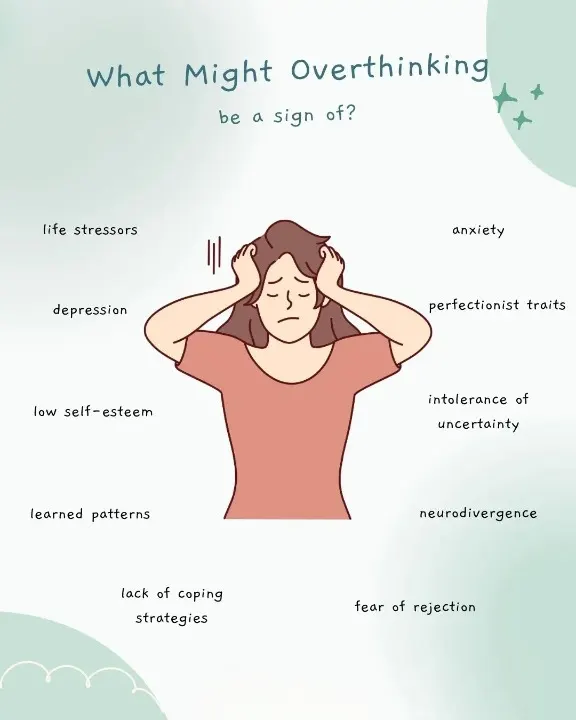
Everyone goes through stress and anxiety at some point in life. Therapy becomes especially useful when these feelings start interfering with your daily routine, peace of mind, or overall functioning.
You might consider stress & anxiety therapy if you find yourself experiencing:
- Constant worrying or racing thoughts
- Difficulty sleeping or relaxing
- Feeling overwhelmed without a clear reason
- Loss of interest in activities you once enjoyed
- Trouble concentrating or making decisions
- Emotional exhaustion or irritability
Choosing therapy is not a sign of weakness. It is a thoughtful and responsible step toward caring for your mental health and improving your overall well-being.
What to Expect in Your First Therapy Session
You may want to think about stress & anxiety therapy when stress or anxiety stops feeling temporary and begins to affect your daily life. Constant worrying, overthinking, or a restless mind can make it hard to relax, sleep properly, or stay focused. Some people also notice emotional tiredness, a loss of interest in things they once enjoyed, or a feeling of being overwhelmed without knowing exactly why. These are often signs that your mind has been under pressure for too long and needs extra care and support.
Choosing therapy is not a sign of weakness or something going wrong. It is a thoughtful and responsible step toward taking care of your mental health. Stress & Anxiety Therapy offers a safe and supportive space to understand what you’re going through and learn healthier ways to handle emotional stress. With the right guidance, you can slowly regain clarity, emotional balance, and control over your thoughts and feelings, helping everyday life feel calmer and easier to manage.
The Long-Term Benefits of Stress & Anxiety Therapy
Therapy doesn’t only help you feel better in the moment—it also helps you develop emotional strength that supports you in the long run.
Some long-term benefits include:
- Improved emotional balance
- Better communication and relationships
- Increased focus and productivity
- Stronger self-confidence
- Healthier sleep patterns
- Greater sense of inner peace
Many people find that therapy helps them understand themselves more deeply, allowing them to respond to life with clarity and calm instead of reacting on impulse.
Therapy as Part of a Healthy Lifestyle
For the best results, therapy is most effective when it’s supported by healthy daily habits. Getting enough sleep, eating balanced meals, staying physically active, and practising mindfulness all play an important role in supporting mental well-being. These simple routines help the mind and body stay more balanced and resilient.
Stress & Anxiety Therapy provides the emotional tools and guidance you need, while your lifestyle choices help maintain that balance over time. When combined, they create a strong and lasting foundation for better mental health and overall emotional well-being.
Final Thoughts
Stress and anxiety are a natural part of life, but they don’t have to take control of how you feel or live. With the right support, it’s possible to understand your emotions better, calm your mind, and restore a sense of balance in everyday life.
Stress & Anxiety Therapy provides a safe, structured, and compassionate space to explore what you’re experiencing and develop healthier ways to cope. Healing is not instant—it happens through small, consistent steps toward self-awareness, emotional care, and inner strength.
If you’ve been feeling overwhelmed or mentally exhausted, remember that reaching out for help is a powerful first step. One supportive conversation can change your perspective and guide you toward a calmer, more focused, and emotionally balanced life. To begin your healing journey with professional guidance, connect with Bliss Psycho Hypnosis today and take a meaningful step toward lasting mental peace.