
Table of Contents
Introduction
If you have ever searched to understand how hypnotherapy works, you are probably picturing a swinging pocket watch and someone clucking like a chicken on stage. The reality is far less dramatic and far more interesting. Clinical hypnotherapy is a structured, evidence-informed therapeutic technique used by licensed practitioners to help people manage anxiety, break unwanted habits, reduce chronic pain, and work through emotional blocks that talk therapy alone sometimes struggles to reach. At Bliss Psycho, our therapists use hypnotherapy as part of a wider, personalised mental health plan, and this guide breaks down exactly what happens in your brain and body during a session, so you can decide whether it might be right for you.

What Is Hypnotherapy?
Hypnotherapy is a guided process in which a trained therapist helps you enter a relaxed, highly focused state of attention, often called a trance. In this state, your conscious mind quiets down while your subconscious mind becomes more receptive to positive suggestions and new ways of thinking. It is important to separate this from stage hypnosis, which is designed purely for entertainment and relies heavily on audience selection and showmanship. Clinical hypnotherapy, by contrast, is goal-oriented, collaborative, and always requires your active participation and consent. You remain aware of your surroundings throughout the session, and you cannot be made to do anything against your values or wishes. The practice traces back over two centuries, evolving from the discredited theories of Franz Mesmer into a technique now studied by psychologists, neuroscientists, and medical researchers around the world. Before we get into how hypnotherapy works step by step, it helps to understand that every session is built on trust, clear communication, and your own willingness to participate.
The Science Behind Hypnosis: What Happens in the Brain
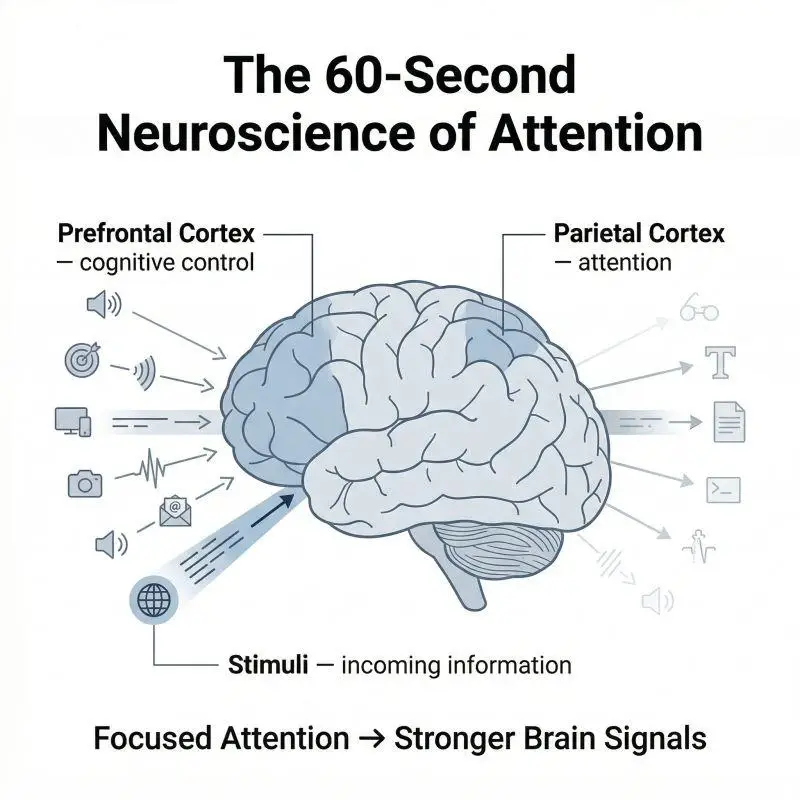
Understanding how hypnotherapy works becomes much clearer once you look at what neuroimaging studies actually show. Researchers using fMRI scans have observed measurable changes in brain activity during hypnosis, particularly in regions associated with attention, self-awareness, and sensory processing. This is not sleep, and it is not unconsciousness. It is a state of narrowed, absorbed focus, similar to what athletes describe as being in the zone or what happens when you are so engrossed in a book that you stop noticing the world around you.
Focused Attention vs. Sleep: Debunking the Unconscious Myth
One of the most persistent myths is that hypnosis puts you to sleep or switches off your mind. In reality, brain wave patterns during hypnosis more closely resemble a relaxed, alert state than deep sleep. Your critical thinking is simply turned down rather than turned off, which allows suggestions to bypass the usual mental resistance and settle more easily into your subconscious.
The Role of the Subconscious Mind in Behaviour Change
Much of our daily behaviour, from habitual reactions to deeply held beliefs about ourselves, is stored and run by the subconscious mind rather than by conscious decision-making. This is precisely why willpower alone often fails to change a habit like smoking or nail-biting. By speaking directly to the subconscious during a relaxed, focused state, hypnotherapy works to help reframe unhelpful patterns at the level where they actually originate, rather than only addressing them on the surface.
How a Typical Hypnotherapy Session Works
A session usually begins with a detailed conversation where your therapist understands your goals, medical history, and what you hope to change. Once your therapist has a clear picture, they guide you through an induction phase using slow breathing, calming imagery, and progressive muscle relaxation to help you settle into a focused state. From there, the therapist offers carefully worded therapeutic suggestions and visualisations tailored to your specific goal, whether that is reducing anxiety before public speaking or letting go of a craving. Finally, you are gently brought back to full alertness, and most therapists spend a few minutes discussing what came up during the session and how you can reinforce the changes in daily life. Sessions typically last between forty-five minutes to an hour, and many people describe the experience as deeply relaxing rather than strange or unsettling.
How a Typical Hypnotherapy Session Works
A session usually begins with a detailed conversation where your therapist understands your goals, medical history, and what you hope to change. Once your therapist has a clear picture, they guide you through an induction phase using slow breathing, calming imagery, and progressive muscle relaxation to help you settle into a focused state. From there, the therapist offers carefully worded therapeutic suggestions and visualisations tailored to your specific goal, whether that is reducing anxiety before public speaking or letting go of a craving. Finally, you are gently brought back to full alertness, and most therapists spend a few minutes discussing what came up during the session and how you can reinforce the changes in daily life. Sessions typically last between forty-five minutes to an hour, and many people describe the experience as deeply relaxing rather than strange or unsettling.
What Hypnotherapy Can Help With
The hypnotherapy benefits reported across clinical settings are fairly wide-ranging. It is commonly used alongside conventional treatment for stress, insomnia, and generalised worry, and many people specifically seek out hypnosis therapy for anxiety when other coping strategies have felt slow or incomplete. It is also a popular option for smoking cessation and weight management, since it targets the automatic urges behind these habits rather than relying purely on discipline. Beyond habits, hypnotherapy is used for chronic pain management, phobia reduction, and building confidence before major life events such as exams, interviews, or childbirth. It is worth noting that results vary from person to person, and hypnotherapy tends to work best as part of a broader treatment plan rather than as a standalone cure.
Is Hypnotherapy Backed by Research?
Given how often people ask how hypnotherapy works from a scientific standpoint, it helps to look at where the research currently stands rather than relying on anecdote alone.
What Clinical Studies Say
Peer-reviewed research, including work published in journals affiliated with the American Psychological Association, has found meaningful support for hypnosis as an adjunct treatment for pain management, irritable bowel syndrome, and anxiety related to medical procedures. Studies from institutions such as Stanford University have also used brain imaging to demonstrate measurable neurological changes during hypnotic states, lending credibility to what practitioners have observed clinically for decades.
Where the Evidence Is Strong vs. Still Emerging
The evidence base is strongest for procedural anxiety, certain types of chronic pain, and habit-related behaviours like smoking cessation. Research on hypnotherapy for conditions like severe trauma or complex mental health disorders is still developing, and most reputable practitioners recommend it as a complement to, not a replacement for, conventional psychological or medical treatment where those conditions are involved.
Common Myths About Hypnotherapy, Debunked
A lot of hesitation around hypnotherapy comes from misinformation rather than the actual practice. You do not lose control of your mind or become unable to resist suggestions that conflict with your values; you remain a fully aware participant throughout. It is also not true that hypnosis only works on people who are naturally gullible or weak-willed; in fact, research suggests that people with strong focus and imagination often respond particularly well. Finally, results are rarely instant or permanent after a single session. Like most forms of therapy, hypnotherapy typically requires a series of sessions along with some reinforcement in daily life to create lasting change. Once you see past these myths, it becomes much easier to appreciate how hypnotherapy works as a gradual, collaborative process rather than an instant fix.
Is Hypnotherapy Safe? Who Should Consult a Doctor First
For most healthy adults, hypnotherapy carries very few risks when conducted by a certified professional. It is generally considered a low-risk, non-invasive technique. That said, it is not recommended as a first-line treatment for people with certain psychotic disorders, severe dissociative conditions, or unmanaged epilepsy without prior consultation with a psychiatrist. If you are currently on medication for a mental health condition or have a history of severe trauma, it is worth discussing hypnotherapy with your doctor or therapist before beginning, so that it can be safely integrated into your existing care plan rather than used in isolation.
What to Expect in Your First Session
Walking into your first appointment with realistic expectations makes a real difference in how comfortable and effective the experience feels.
How to Prepare
There is very little special preparation required. Wearing comfortable clothing, avoiding caffeine right before your appointment, and coming in with an open, curious mindset tend to help the process along. It is also useful to think through your specific goal beforehand, whether that is reducing anxiety, quitting a habit, or managing a particular fear, so your therapist can tailor the session accordingly.
How Many Sessions You Might Need
The number of sessions needed varies depending on the goal and the individual. Some people notice a shift after just two or three sessions, particularly for focused issues like a specific phobia, while more complex or long-standing patterns, such as chronic anxiety, may benefit from six to ten sessions spread over several weeks. Your therapist should be able to give you a realistic estimate after your initial consultation.
How to Choose a Qualified Hypnotherapist
Not every practitioner offering hypnosis has the same level of training, so it is worth doing some due diligence. Look for a therapist who is certified through a recognised hypnotherapy or psychotherapy body and, ideally, one who also holds a background in psychology or counselling, since this ensures they can handle any emotional material that surfaces during a session responsibly. It is reasonable to ask about their experience with your specific concern, whether that is habit change or clinical hypnotherapy treatment for anxiety, and to request a short consultation call before committing to a full course of sessions. If you are searching for hypnotherapy in Ahmedabad, checking client reviews and confirming credentials directly with the clinic are simple but important steps before booking, since how well hypnotherapy works often depends as much on the practitioner’s skill as on the technique itself.
Conclusion: Is Hypnotherapy Right for You?
At its core, hypnotherapy works by guiding your mind into a calm, focused state where positive, targeted suggestions can create real behavioural and emotional change, something that research increasingly supports for anxiety, habit change, and pain management. It is not a magic trick or a loss of control, but a structured therapeutic tool that works best in the hands of a trained professional and alongside your broader mental health care. If you are curious about whether hypnotherapy could help you manage anxiety, break a stubborn habit, or feel calmer in your day-to-day life, the team at Bliss Psycho Hypnosis is happy to walk you through what a personalised session could look like. Book a consultation with Bliss Psycho Hypnosis to take the first step toward understanding how hypnotherapy works for your specific goals.