Hypnotherapy and Psychotherapy Clinic When Should You Consider Professional Help?

Table of Contents

Introduction

Life has a way of piling up small worries until they no longer feel small. A restless week turns into months of poor sleep, a stressful phase at work quietly becomes chronic anxiety, and before you know it, you’re wondering whether what you’re feeling is “normal” or something that needs attention. This is usually the moment people start searching for a hypnotherapy and psychotherapy clinic, not because something is drastically wrong, but because they want clarity, support, and a way forward that self-help alone hasn’t been able to provide. If you’ve been asking yourself whether it’s time to reach out to a hypnotherapy clinic, this guide will help you understand the signs, the process, and what genuine professional support actually looks like,and why a trusted hypnotherapy and psychotherapy clinic can make that first step much easier than you expect.
Hypnotherapyand Psychotherapy Clinic

What Is Hypnotherapy and Psychotherapy? A Quick Overview

Before deciding whether you need support, it helps to understand what these two approaches actually involve. Psychotherapy is a structured, conversation-based form of treatment where a trained therapist helps you explore thoughts, emotions, and behavioural patterns, often using approaches like cognitive behavioural therapy or counselling and psychotherapy techniques suited to your specific concerns. Hypnotherapy, on the other hand, uses a state of deep relaxation and focused attention to help access the subconscious mind, where many habitual patterns, fears, and emotional blocks are believed to originate. Neither approach is about “mind control” or theatrics, both are evidence-informed, client-led processes designed to help you understand yourself better and create lasting change. At a reputable hypnotherapy and psychotherapy clinic, these methods are used thoughtfully, based on your unique history and goals rather than a fixed script.

How They Work Individually and Together

Psychotherapy tends to work through dialogue, reflection, and structured techniques that unpack the “why” behind certain thoughts or behaviours over a series of sessions. Hypnotherapy works a little differently; by guiding you into a calm, focused state, it allows the therapist to help you reframe unhelpful associations at a subconscious level, which can be particularly effective for phobias, habits, and deep-seated anxiety. Many practitioners now combine both approaches, since psychotherapy addresses conscious understanding while hypnotherapy supports subconscious change together, they often produce more holistic and lasting results than either used in isolation.

Key Differences Between the Two

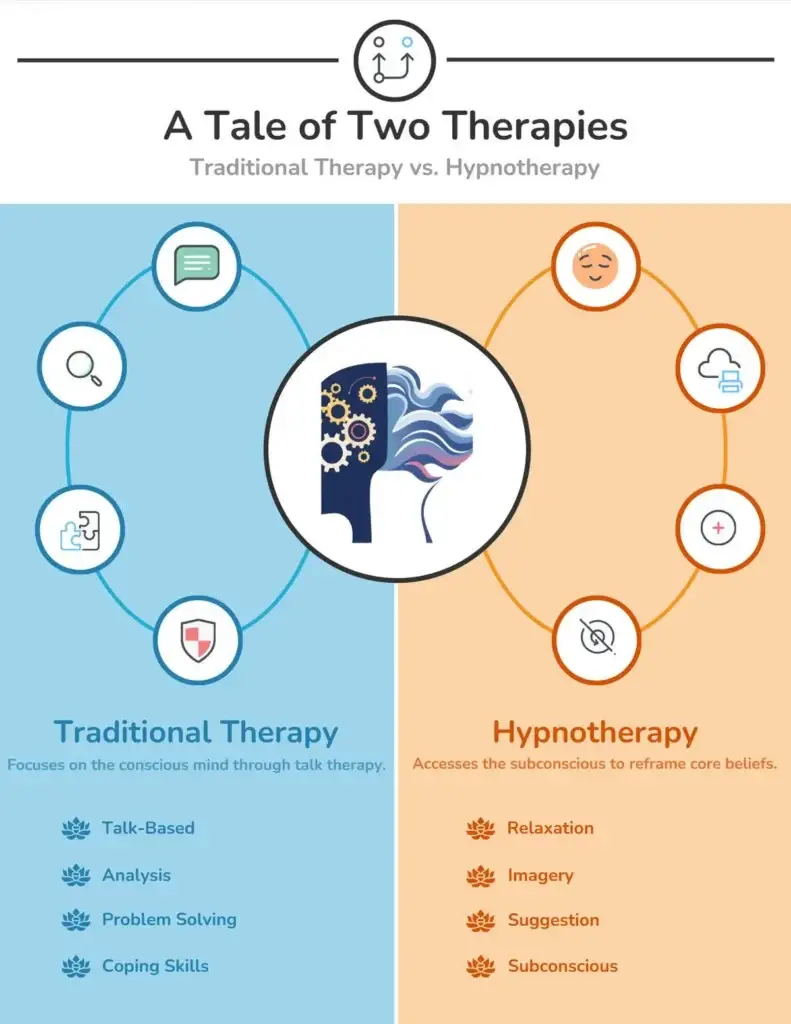
The core difference lies in how each method accesses the mind. Psychotherapy is largely a conscious, talk-based process, while hypnotherapy works with the subconscious through relaxation and guided imagery. Session pacing also differs psychotherapy is often longer-term and exploratory, while hypnotherapy sessions can sometimes produce noticeable shifts more quickly for specific, targeted concerns. Neither is inherently “better”; the right fit depends on your personal history, the nature of your concern, and what feels comfortable to you as a client.
Key Differences

Common Signs You May Need Professional Support

It isn’t always obvious when everyday stress crosses into territory that benefits from professional help. Recognising the early signs can make a significant difference in how quickly and effectively you recover.

Emotional and Psychological Signs

Persistent anxiety that doesn’t ease even when there’s no clear trigger, a low mood that lingers for weeks, irritability that feels disproportionate to daily events, or a general sense of emotional numbness are all signals worth paying attention to. Many people also describe feeling “stuck” going through the motions of daily life without genuine engagement or motivation. If these feelings have become the norm rather than the exception, it may be time to consult a mental wellness therapy clinic rather than waiting for things to resolve on their own.

Behavioral and Physical Signs

Sometimes the signs show up in behaviour rather than mood. Disrupted sleep, unexplained fatigue, changes in appetite, avoidance of social situations, or leaning on habits like smoking, overeating, or excessive screen time to cope are common indicators. Physical symptoms such as tension headaches, digestive issues, or a racing heart without a medical cause can also be the body’s way of signalling unresolved emotional stress. When these patterns start affecting your relationships, work performance, or general quality of life, professional guidance from a psychotherapy clinic becomes genuinely worth considering.

When Self-Help Isn't Enough Recognizing the Tipping Point

Self-help tools journaling, meditation apps, exercise, and talking to friends are genuinely useful and often enough for everyday stress. The tipping point usually arrives when these strategies stop making a meaningful difference, when symptoms persist for more than a few weeks despite your best efforts, or when the issue starts interfering with your ability to function at work, in relationships, or in daily responsibilities. Another important marker is intensity: sudden panic, overwhelming grief, or thoughts that feel difficult to control are strong indicators that professional support shouldn’t be delayed. There’s no shame in reaching this point,it simply means your situation has outgrown what self-directed tools can address, and that’s exactly the gap that a dedicated hypnotherapy and psychotherapy clinic, offering clinical hypnotherapy services and structured psychotherapy, is designed to fill.

What Conditions Can a Hypnotherapy and Psychotherapy Clinic Help With?

A well-established hypnotherapy and psychotherapy clinic typically supports a wide range of concerns, including generalised anxiety and panic disorders, depression, work-related stress and burnout, phobias, low self-esteem and confidence issues, grief and loss, relationship difficulties, and habit-related challenges such as smoking cessation or weight management. Trauma-related concerns, including past experiences that continue to affect present-day emotions, are also commonly addressed through a combination of talk therapy and hypnotherapy techniques. Because every individual’s history and triggers are different, treatment plans are rarely one-size-fits-all; a good therapist will tailor the approach based on your specific goals rather than applying a generic template.

What to Expect From Your First Session

Walking into your first session whether in person or online can feel intimidating if you don’t know what to expect. Understanding the process in advance can ease a lot of that initial hesitation.

Assessment, Session Flow, and Confidentiality

Your first appointment usually begins with an in-depth assessment, where the therapist asks about your history, current concerns, and what you hope to achieve. This isn’t a test it’s a conversation meant to help the clinician understand your situation and design an appropriate plan. From there, sessions are typically structured around specific goals, whether that’s reducing anxiety symptoms, working through a particular fear, or processing a difficult life event. Confidentiality is a cornerstone of ethical practice at any reputable hypnotherapy and psychotherapy clinic; what you share stays between you and your therapist, barring exceptional safety-related circumstances that are usually explained upfront. Most people find that the anxiety of the “unknown” fades quickly once they realise the environment is non-judgmental and paced entirely around their comfort.

How to Choose the Right Clinic or Therapist

Not all providers are the same, and choosing well matters as much as choosing at all. This decision deserves a bit of research before you commit to ongoing sessions.

Credentials, Questions to Ask, and Personalized Plans

Look for licensed, trained professionals with recognised certifications in psychotherapy and clinical hypnotherapy, along with demonstrable experience handling concerns similar to yours. It’s entirely reasonable to ask about a therapist’s approach, session structure, expected duration of treatment, and how progress will be measured before your first booking. A trustworthy psychotherapy clinic will also offer a personalised treatment plan rather than a generic protocol, adjusting techniques based on how you respond over time. If a provider is unwilling to answer basic questions about their methodology or credentials, that’s generally a sign to keep looking.

Myths and Misconceptions About Therapy and Hypnotherapy

Misconceptions often keep people from seeking help they genuinely need. One common myth is that hypnotherapy involves losing control or being made to do things against your will in reality, you remain fully aware and in control throughout the session, and a therapist cannot make you act against your values. Another misconception is that therapy is only for “severe” mental illness; in truth, a large proportion of people visiting a hypnotherapy and psychotherapy clinic for counselling and psychotherapy are simply navigating everyday stress, transitions, or self-improvement goals. Some also assume results should be instant, when in fact meaningful change, whether through talk therapy or hypnosis usually unfolds gradually through consistent sessions and active participation from the client.

Benefits of Early Intervention

Addressing emotional or psychological concerns early, rather than waiting for a crisis point, tends to lead to faster and more sustainable outcomes. Early intervention often means fewer sessions are needed overall, coping strategies can be built before patterns become deeply ingrained, and day-to-day functioning at work and in relationships improves sooner rather than later. Just as physical health benefits from early diagnosis, mental and emotional wellbeing responds well to timely support from a hypnotherapy and psychotherapy clinic, waiting until symptoms become unmanageable typically makes the recovery process longer and more difficult than it needs to be.

Conclusion

Recognising that you might benefit from support is often the hardest part the actual process of reaching out tends to be far less daunting than anticipated. Whether your concerns are rooted in anxiety, stress, unresolved habits, or simply a feeling of being stuck, a qualified hypnotherapy and psychotherapy clinic can offer the structured, compassionate guidance needed to move forward. There’s no “right” level of struggle required before seeking help; if something has been affecting your peace of mind for a while, that’s reason enough to talk to a professional. If you’re ready to take that first step, Bliss Psycho Hypnosis offers experienced, client-centred hypnotherapy and psychotherapy services designed around your individual needs. Reach out today to schedule a consultation and begin your journey toward lasting emotional wellbeing.
Scroll to Top