
Table of Contents
Introduction
Most of us know the feeling of a mind that simply won’t switch off the racing thoughts at midnight, the habit we keep promising to quit, and the worry that tightens our chest before a big day. When ordinary willpower isn’t enough, many people start looking for a gentler, more natural way to retrain the mind. That search often leads them, sooner or later, to hypnotherapy.
If your only reference is television, you might picture swinging pocket watches and people clucking like chickens on a stage. The reality is far calmer, more clinical, and surprisingly ordinary. In this guide, we’ll explain what this practice actually is, how it works inside the brain, and the everyday problems it may help with, so you can decide for yourself whether it’s worth exploring.

What Is Hypnotherapy?
At its heart, hypnotherapy is a guided form of therapy that uses deep relaxation and focused attention to help you reach a calm, highly receptive state of mind. In this relaxed state, sometimes called a trance or a hypnotic state, your conscious mental “chatter” quiets down, and your subconscious mind becomes more open to positive suggestions. A trained practitioner then uses this window to gently encourage helpful changes in how you think, feel, or behave.
It’s important to clarify from the outset that you are never asleep or unconscious during the process. You remain aware, in control, and able to stop at any moment. Far from losing your free will, you simply become deeply focused, much like the way you lose track of time while reading a good book or driving a familiar route on autopilot. That natural, everyday focus is the same mental gear this therapeutic technique gently shifts you into.
Hypnosis vs. Hypnotherapy: What's the Difference?
Clearing Up the Common Myths
How Does Hypnotherapy Work?
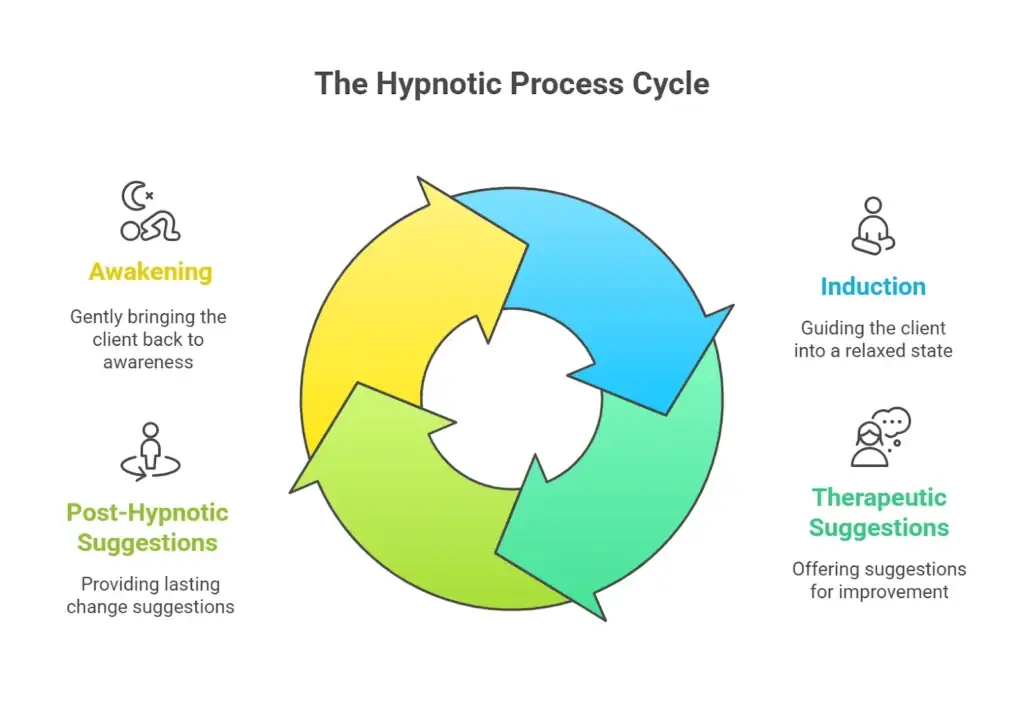
The Science of the Hypnotic State
During guided relaxation, brain-imaging research suggests that activity shifts within the regions tied to focused attention and self-awareness. Your analytical, critical mind takes a quiet back seat, while the parts of you that respond to imagery and emotion become more engaged. This altered state of awareness is precisely why a carefully worded suggestion, “Your shoulders feel heavy and loose,” or “those cravings will feel weaker each day” can take root more easily than the same words would in an ordinary chat.
The subconscious mind quietly drives a huge amount of our automatic behavior, from nail-biting to knee-jerk fear responses. By communicating directly with that deeper layer, this mind-body approach aims to update unhelpful patterns at their source, rather than relying on conscious effort and grit alone. That is the core idea behind suggestion-based therapy: change the script running underneath, and the surface behavior often follows.
What Happens in a Typical Session
A first appointment usually opens with a relaxed, ordinary conversation about your history, your goals, and any concerns; no trance is required yet. Once you feel comfortable, the practitioner guides you into a calm, focused state using breathing, gentle imagery, and a soothing voice, and then introduces suggestions tailored to your goal. A typical hypnotherapy session tends to follow a gentle, predictable rhythm:
- Discussion: You talk through your concerns and what you hope to change.
- Induction: The therapist eases you into relaxation through breathing and focus.
- Suggestion: Positive, goal-focused ideas are offered while you are receptive.
- Return: You are guided back to full alertness, often feeling deeply rested.
Sessions usually last around an hour, and most people need several appointments before the benefits settle in and start to feel lasting.
What Does Hypnotherapy Treat?
Anxiety, Stress, and Emotional Well-Being
Sleep, Habits, and Lifestyle Change
Phobias, Pain, and Physical Symptoms
The evidence is especially encouraging for several physical conditions. Clinical hypnosis has shown real, well-documented promise for managing chronic pain and for easing the symptoms of irritable bowel syndrome (IBS), where it is now recommended by some respected health bodies as a recognized treatment option. It can also help people overcome specific phobias from fear of flying to dental anxiety by gradually and gently rewiring the body’s fear response.
It is worth being honest here: while the research base is growing, results vary from one person to the next, and this technique is not a miracle cure. The most reliable outcomes tend to appear when the practice is used thoughtfully, with realistic expectations and proper professional guidance behind it.
Is It Safe, and Is It Right for You?
For most people, the procedure is a very low-risk, drug-free option with few side effects. That said, it is not suitable for everyone. People living with certain serious mental-health conditions, such as psychosis, should only consider it under specialist medical guidance. Because it works with your mind rather than against it, the experience is generally pleasant; many describe it as one of the most relaxing hours of their week.
The honest truth is that results vary from person to person, and your willingness to engage with the process matters a great deal. It is also not a replacement for medical or psychological treatment. The most trustworthy practitioners will always encourage you to keep your doctor in the loop, especially when a physical health condition is involved.
How to Choose a Qualified Practitioner
The lack of strict regulation in this field across different regions can lead to significant variations in the quality of care. Taking the time to carefully select your provider can greatly enhance your experience:
- Look for recognized training, certification, and membership in a professional body.
- Ask about their experience with your specific concern.
- Expect a clear, jargon-free explanation of what the sessions will involve.
- Be wary of anyone who guarantees a miracle cure in a single visit.
A good, experienced practitioner will be honest about their abilities and will treat your care as a trust-based partnership.