
Table of Contents
Introduction
Many people believe separation anxiety only happens in children, but emotional distress during separation can affect adults just as deeply. When the fear of being away from someone you love becomes intense and starts affecting your peace, relationships, work, and daily routine, it may be more than simple attachment. It may be separation anxiety in adults.
This condition often appears silently. A person may constantly worry when their partner is away, feel panic when a loved one does not reply quickly, or experience fear that a relationship may suddenly end. Over time, this creates emotional dependency, overthinking, insecurity, and mental exhaustion. Many people mistake it for normal love or relationship stress, but when fear controls emotional stability, it deserves attention.
At Bliss Psycho Hypnosis, emotional healing focuses on understanding the deeper cause of anxiety patterns through hypnotherapy, psychotherapy, and CBT-based support. Our approach helps individuals move beyond temporary reassurance and work toward long-term emotional balance.
In this guide, you will understand the signs, causes, treatment options, and recovery process for separation anxiety in adults so you can recognize the problem early and take the right steps toward healing.

What Is Separation Anxiety in Adults?
Separation anxiety in adults is a mental health condition where a person experiences excessive fear, emotional distress, or panic when separated from someone they are deeply attached to. This could be a romantic partner, spouse, parent, child, or another close relationship that feels emotionally important.
Healthy emotional attachment allows love and independence to exist together. Separation anxiety is different because the fear becomes overwhelming and starts affecting daily life. A short delay in a message may trigger panic. A partner going on a work trip may create sleepless nights and emotional breakdowns.
In more serious cases, this may be diagnosed as Adult Separation Anxiety Disorder, where separation-related distress becomes persistent and interferes with relationships, work performance, and overall mental well-being.
Can Adults Really Have Separation Anxiety
Yes, adults can absolutely experience separation anxiety. It is not limited to childhood. Many adults live with it for years without realizing it because the symptoms often look like relationship insecurity, overthinking, or general anxiety.
This emotional pattern often becomes stronger after breakups, divorce, betrayal, loss of a loved one, toxic relationships, or childhood emotional trauma. For individuals going through the end of a marriage or long-term relationship, seeking post-marital separation therapy can be an important step toward understanding and healing this emotional pattern before it deepens further.
Many people think they are simply too attached, when the emotional root is often much deeper. Many adults ask themselves why they panic when their partner leaves, why being alone feels emotionally unsafe, or why they constantly need reassurance. These are often strong signs that the issue goes beyond ordinary relationship stress.
Common Signs of Separation Anxiety in Adults
Emotional Symptoms
Emotionally, a person may live with constant fear of abandonment. They may imagine worst-case scenarios when someone important is away and struggle with intense worry about rejection or loss. Even small moments of distance can create panic, sadness, or insecurity.
Many people describe this feeling as never being mentally calm unless the loved one is physically or emotionally close. This constant emotional tension can make relationships feel exhausting instead of safe.
Behavioral Symptoms
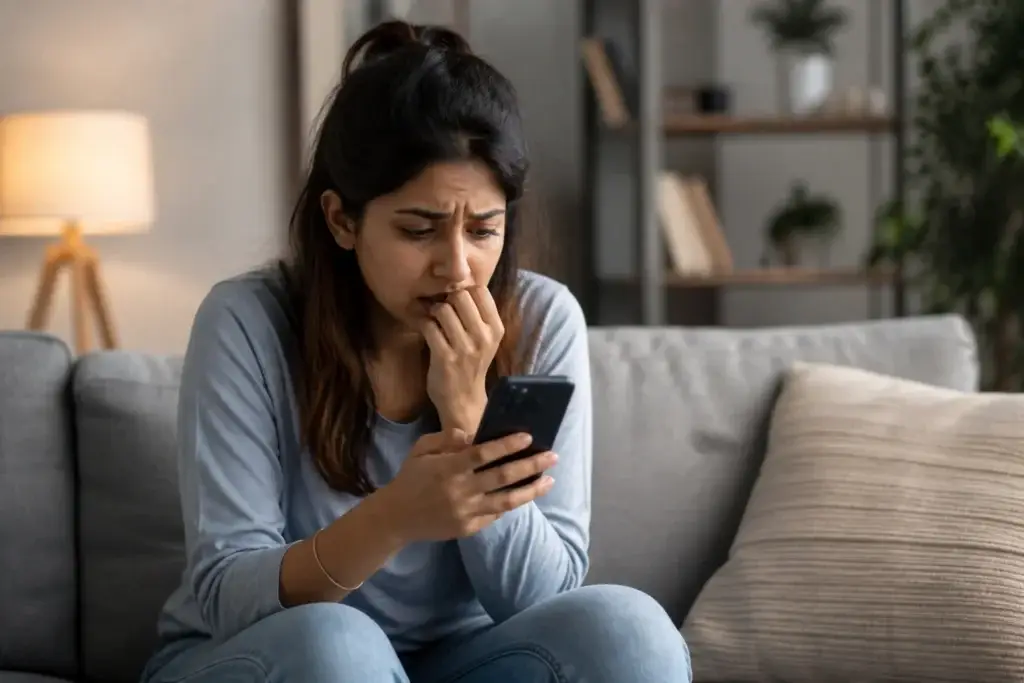
Behaviorally, this anxiety often shows through excessive calling, repeated texting, constantly checking for updates, or needing frequent reassurance from a partner. A person may avoid being alone, feel uncomfortable with independence, or become emotionally reactive during silence.
These behaviors usually come from fear, not control. However, over time they can slowly damage trust and emotional balance in relationships.
Physical Symptoms
Emotional anxiety often creates physical symptoms as well. Rapid heartbeat, sweating, nausea, chest tightness, trouble sleeping, panic attacks, and restlessness are all common signs.
Many people first believe something is physically wrong before recognizing that the real trigger is emotional separation anxiety.
What Causes Separation Anxiety in Adults
Childhood Attachment Patterns
Early emotional experiences strongly influence adult relationships. People who grow up with inconsistent emotional support, overprotective parenting, neglect, abandonment, or emotionally unsafe environments often develop anxious attachment styles.
When love feels uncertain during childhood, the fear of losing connection can continue into adulthood and affect romantic relationships later in life.
Relationship-Based Triggers
Sometimes adult relationships reactivate old emotional wounds. Betrayal, cheating, repeated breakups, divorce, toxic relationships, and emotional dependency can all strengthen separation anxiety. Those navigating the emotional aftermath of a marriage breakdown may find that post-marital separation therapy provides a focused, compassionate space to process these relationship-specific fears and move toward emotional recovery.
When trust breaks, love becomes connected with fear instead of emotional safety. This creates panic during even small moments of separation.
Mental Health Conditions Linked to It
Separation anxiety may also appear alongside generalized anxiety disorder, panic disorder, depression, trauma-related stress, and low self-worth patterns.
This is why self-diagnosis often delays healing. The visible problem may look like relationship stress, but the emotional root often lies much deeper.
Separation Anxiety in Romantic Relationships
Romantic relationships are one of the most common places where adult separation anxiety becomes visible. A delayed reply can trigger panic, jealousy, and fear of rejection. Small emotional distance may feel like emotional abandonment.
A person may constantly seek reassurance, overanalyze small behavior changes, or feel unsafe when the relationship feels uncertain. This slowly damages trust and creates emotional pressure on both partners.
How It Affects Love and Trust
Love should create security, not emotional fear. When affection becomes mixed with panic and emotional dependency, the relationship starts carrying anxiety instead of trust.
This often leads to misunderstandings, emotional exhaustion, and repeated conflict. The person may feel they are protecting love, while in reality anxiety is quietly controlling the relationship.
Real-Life Relationship Example
Imagine a partner leaving for a short work trip. Instead of simply missing them, someone with separation anxiety may experience sleepless nights, repeated panic attacks, fear that the relationship will end, and emotional breakdowns if replies are delayed.
This is not just missing someone. This is anxiety controlling emotional peace.
How Separation Anxiety Affects Daily Life
This condition affects much more than relationships. It often influences work performance, confidence, personal growth, and daily decision-making.
At work, focus becomes difficult because the mind stays occupied with emotional fear. Business travel, office hours away from loved ones, or normal independence may create intense stress. Productivity drops because emotional energy is constantly spent on fear and reassurance.
In personal life, this may lead to social withdrawal, low self-esteem, emotional exhaustion, and unhealthy dependence on others. Confidence becomes weaker because peace feels dependent on someone else’s presence.
Over time, emotional dependency can quietly control everyday life without being clearly recognized.
How Separation Anxiety Is Diagnosed
A therapist or emotional wellness professional helps identify whether the issue is normal emotional stress or a deeper anxiety pattern. Diagnosis is not based on one single symptom but on understanding how emotional fear affects relationships, behavior, and daily functioning.
The process usually includes understanding emotional triggers, childhood experiences, attachment patterns, relationship behavior, and fear responses. A therapist looks at whether the anxiety creates real disruption in life rather than temporary emotional discomfort.
At Bliss Psycho Hypnosis, treatment begins with consultation and emotional assessment to understand the personal challenge behind the anxiety. This allows a personalized therapy plan using hypnotherapy, psychotherapy, and CBT-based support for long-term healing.
Best Treatment Options for Separation Anxiety in Adults
Cognitive Behavioral Therapy (CBT)
CBT helps identify negative thinking patterns and replace fear-based reactions with healthier emotional responses. It is especially useful for overthinking, panic thinking, reassurance dependency, and fear of abandonment.
It teaches people how to challenge anxious thoughts before those thoughts begin controlling behavior and emotional peace.
Hypnotherapy for Emotional Triggers
Sometimes anxiety comes from subconscious emotional patterns, not just conscious thoughts. Many people know logically that their fear is excessive, but emotional reactions still feel uncontrollable.
Hypnotherapy helps uncover these deeper emotional roots and reprogram fear-based patterns. It is especially effective when anxiety is linked to childhood trauma, emotional conditioning, or repeated painful experiences.
Bliss Psycho Hypnosis combines hypnotherapy with psychotherapy and CBT to support healing from anxiety, emotional dependency, negative thinking, and deep-rooted stress patterns.
Specialized Support After Relationship Separation
When anxiety has its roots in a marital breakdown or long-term relationship ending, general therapy is sometimes not enough. Post-marital separation therapy offers a focused approach specifically designed for the emotional pain, fear, and grief that follow the end of a marriage. It addresses the unique triggers of loss, identity shift, and loneliness that can intensify separation anxiety in this context, helping individuals rebuild emotional security from the ground up.
Lifestyle Support for Recovery
Daily habits also support emotional recovery. Mindfulness, journaling, breathing exercises, emotional boundaries, and building personal independence all help strengthen healing.
These practices are powerful support tools, but professional therapy often creates deeper and faster emotional change.

Step-by-Step Recovery Roadmap
Healing begins with identifying emotional triggers and understanding what situations activate fear and panic. The next step is recognizing attachment patterns and how past emotional wounds shape present reactions.
Building emotional awareness helps people respond with clarity instead of emotional panic. Professional therapy creates structured healing through CBT, hypnotherapy, and psychotherapy.
The final stage is creating healthy boundaries and strengthening emotional independence so love feels safe instead of frightening.
Recovery is not about becoming emotionally distant. It is about becoming emotionally secure.
Can Separation Anxiety in Adults Be Cured
Yes, separation anxiety in adults can be treated and significantly improved. Recovery depends on identifying the real cause, maintaining therapy consistency, building emotional awareness, and creating healthier relationship boundaries.
Some people improve quickly once they understand the emotional trigger. Others need gradual healing because the fear is connected to older trauma and long-term attachment patterns.
Healing means being able to love without panic, trust without constant fear, and feel peace without depending entirely on someone else’s presence.
Why Professional Support Makes a Difference
Many people spend years trying to manage symptoms without understanding the real cause. Temporary reassurance may calm anxiety for a moment, but lasting healing happens only when the emotional root is addressed.
Professional support helps create this deeper transformation. Instead of only reducing panic, therapy helps rebuild emotional security, trust, and independence.
At Bliss Psycho Hypnosis, clients receive personalized therapy plans, guided healing sessions, and ongoing support in a safe and confidential environment. Their approach focuses on long-term emotional wellness, not temporary symptom management.
Conclusion
If constant fear, emotional dependency, overthinking, or fear of abandonment is affecting your peace, it may be time to seek expert help.
Bliss Psycho Hypnosis helps individuals heal anxiety patterns through professional hypnotherapy, psychotherapy, and emotional guidance designed for lasting mental wellness. For those specifically dealing with the emotional pain of a relationship ending, our post-marital separation therapy service provides dedicated, structured support to help you rebuild emotional stability and confidence after separation.
You do not have to live in constant fear of losing people. Emotional peace is possible, and healing can begin with the right support, the right understanding, and the right step forward.
Frequently Asked Questions
Yes, adults can experience separation anxiety, especially when fear of abandonment, emotional dependency, or insecure attachment patterns affect their relationships and mental peace.
When symptoms become intense and start disrupting normal life, it may be diagnosed as Adult Separation Anxiety Disorder, which is a recognized mental health condition.
This often happens because of anxious attachment, fear of abandonment, or unresolved emotional trauma connected to past experiences and relationship insecurity.
Yes, emotional neglect, abandonment, inconsistent love, and unsafe childhood emotional environments can create strong attachment anxiety later in adulthood.
Yes, hypnotherapy can help by addressing subconscious emotional triggers, fear patterns, and deep-rooted anxiety responses connected to separation fears.
Post-marital separation therapy is a specialized form of support designed for individuals going through the emotional pain of a marital breakdown or long-term relationship ending. It addresses grief, identity loss, and separation-related anxiety in a focused and compassionate therapeutic setting.