What Happens During Separation Therapy Sessions?

Table of Contents

Emotional Phases During Separation

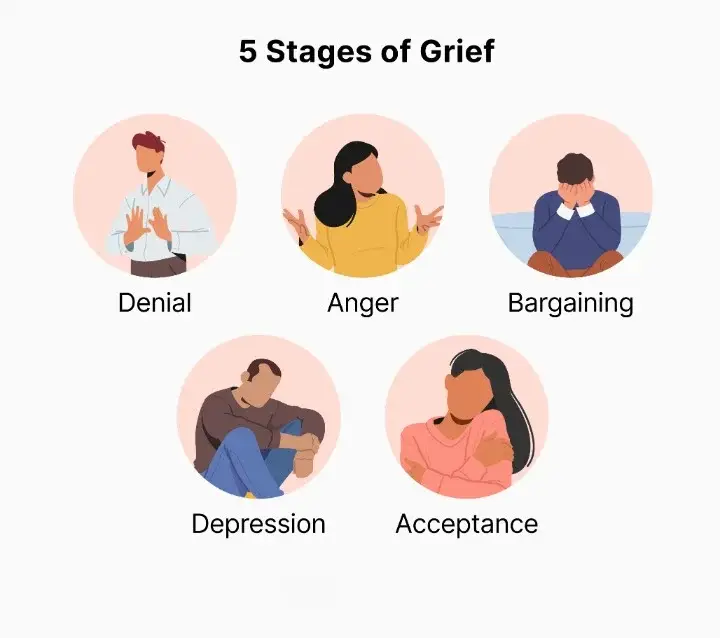
The separation is never linear or simple. It begins with confusion, where both people are unsure of their feelings. This can change at any moment to frustration or anger, especially when past problems come back into the relationship. These feelings can change over time to guilt, sadness, or even relief, depending on the situation.

Separation Therapy helps individuals understand that these feelings are normal. Instead of trying to fight through these feelings, individuals can use separation therapy as a tool to work through them in a structured way. This allows both individuals to slow down, think, and understand their feelings without being pushed by emotional pressure.

Another important factor is understanding that emotional healing is not something that can happen overnight. Each individual takes their own time, and therapy works through this at their own pace.

Separation Therapy

How Separation Therapy Builds Emotional Safety

One of the biggest issues faced during the separation period is the lack of safety in terms of emotions. Conversations sometimes lead to arguments, and even basic conversations might not feel very comfortable. Separation Therapy provides a safe environment for both parties to express themselves without the fear of things being taken in the wrong way.

The safe environment is provided by a professional, which ensures that both parties feel heard. This helps in the development of a feeling of trust, even if there is a lack of it in the relationship. This is because, during the therapy, both parties know they will not be interrupted or blamed for anything they say. This helps in the development of a feeling of trust in the process.

Boundaries are also set during the therapy, which helps in keeping the respect alive even during difficult situations.

Decision-Making Clarity Through Therapy

Avoidance of Impulsive Decisions in Relationships

Impulsive decisions are common in emotionally charged circumstances. Individuals may regret their decisions later. Separation therapy helps in avoiding this impulsive decision-making. Individuals are encouraged to think objectively about the situation they are in.

Understanding the Long-Term Consequences

Separation Therapy helps individuals focus on the long-term effects of their decisions. They may choose reconciliation or separation. Understanding the long-term effects leads to more stable decisions.

Making Emotionally Balanced Decisions

Separation Therapy helps individuals make more balanced decisions. They are encouraged to think objectively about the situation they are in. This helps in avoiding confusion and makes individuals more confident about the decisions they make.

The Psychology Behind Separation

However, separation is not just about conflicts. There is a deep connection between separation and the inner world of human psychology. Many individuals have emotional habits resulting from past experiences. These emotional habits may be more apparent in the course of separation.

Separation therapy helps individuals recognize emotional habits such as attachment styles, emotional dependency, or avoidance. Therefore, individuals can get the deeper reasons for the conflicts they experience in the course of separation.

This deeper understanding of human psychology is the first step towards making changes. Individuals can then react differently. They may not react in the same way they used to in the past.

Communication Reset During Separation

Communication can become complicated during challenging stages in a relationship. There are more misunderstandings, and communication may become argumentative or non-verbal. Separation therapy works on improving communication in a controlled and respectful manner.

Rather than trying to “win” a conversation, people are taught to clearly express themselves while listening to the other person as well. This can greatly alleviate tension and make communication more effective.

New skills are learned to control tone, time, and emotional response. These are minor adjustments but can greatly change how partners relate to one another, even in tough situations.

Role of Boundaries in Separation Therapy

Why Boundaries Are Important

The importance of boundaries during a separation lies in the fact that they bring about a sense of clarity and avoid emotional chaos. They also identify what is acceptable and what is not.

Types of Emotional and Physical Boundaries

The boundaries established might be emotional, communication-based, or physical. These boundaries are established to avoid emotional chaos and not to distance the two people.

Maintaining Respectful Distance

When boundaries are respected, the situation becomes more calm and controlled. Both individuals can then focus on clarity rather than conflict.

Managing Daily Life During Separation

It is not just the relationship that is affected by separation. One will find that their routines and their sense of stability will be affected. This is where separation therapy is useful. 

This type of therapy is useful because it gives one advice on how to cope with the changes that have occurred. This includes sticking to routines and staying focused. 

This is especially important during the initial stages. This is because this is the stage where one is not sure about their life. By sticking to their routines, one is able to feel a sense of control.

Common Mistakes to Avoid During Separation

In most cases, people unknowingly make choices that add to emotional stress during separation. This is often due to reacting to emotions, avoiding communication altogether, and relying on assumptions.

Separation therapy helps an individual identify such behaviours and helps them avoid them. Instead, they are encouraged to take things with full awareness and patience.

Avoiding such common mistakes can make the entire process smoother and more constructive, resulting in better outcomes in the long run.

How Separation Therapy Supports Personal Growth

Self-Reflection and Awareness

One of the greatest advantages of therapy is self-reflection. A person is able to understand himself or herself more clearly.

Building Emotional Strength

Therapy helps in building emotional strength by confronting negative emotions. A person learns to be more emotionally stable.

Rediscovering the Individual Identity

In times of separation, the individual is able to rediscover his or her personal identity with the help of therapy.

Conclusion

This phase is complex and highly emotional. However, it doesn’t have to be overwhelming. With proper guidance, you can turn a complex phase into a phase of clarity and understanding. With Separation Therapy, you will have all the support you need to go through this phase with confidence.

Going through a phase of rebuilding or separate living can be a lot easier and calmer. It can become a balanced and clear phase. Choosing Separation Therapy is not just about dealing with a complex situation. It is a chance to build a healthier and more aware future for yourself.

Are you experiencing this phase? Are you looking for proper guidance? Bliss Psycho Hypnosis is here to guide you. Connect with our experts now.

Scroll to Top